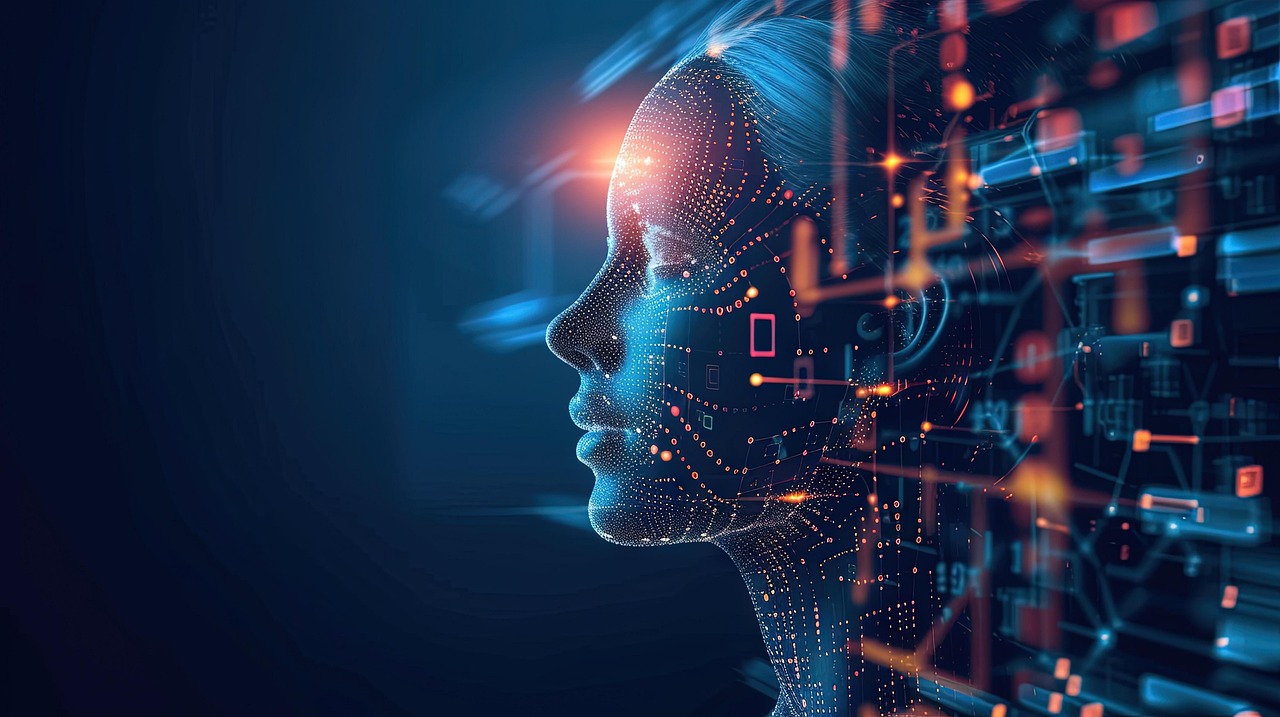
Artificial intelligence no longer just creates information — it recreates the human voice, face, and even personality.
With just a few seconds of audio or a single image, new AI systems can generate realistic videos of people speaking, laughing, or even crying — people who never actually did.
What began as a playful experiment in creativity has now evolved into an ethical crossroads, touching the deepest human values of identity, privacy, and reputation.
A New Reality: Digital Copies of Voice and Face
Recent advances in generative AI have made it possible to produce lifelike video scenes from simple text or voice prompts.
Users can now create entirely fictional scenarios — from historical figures “meeting” in imagined conversations to ordinary people appearing in events that never occurred.
Social media quickly filled with these synthetic videos, blurring the line between art, humor, and deception.
Yet this innovation brings a subtle danger: when everything can look real, reality itself loses meaning.
For the first time in history, a video — once the gold standard of truth — can no longer be trusted as proof.
From Entertainment to Manipulation
 At first, synthetic media seemed like harmless entertainment.
But it has rapidly become a tool for misinformation, reputation damage, and emotional manipulation.
Real people can be shown committing crimes, saying words they never spoke, or appearing in humiliating contexts.
Many public figures have already filed lawsuits against the unauthorized use of their likeness.
And even when content is removed, the digital traces often remain — permanent echoes of falsehoods.
As Professor Ren Ng of UC Berkeley puts it:
“Our brains are wired to believe what we see. But now, we must learn to question whether what we see ever truly happened.”
The Legal Grey Zone: Who Owns a Digital Self?
 AI-generated likenesses challenge existing legal definitions of identity.
In the U.S., Right of Publicity laws in states like California and New York prohibit the use of a person’s face or voice without consent.
The European Union’s AI Act goes further, requiring explicit labeling of all “deepfake” content.
But enforcement struggles to keep pace with technology.
When someone makes a video of a public figure using a cloned voice, is it art, parody, or impersonation?
If an AI-generated voice sings a song, who owns the performance — the creator, the algorithm, or the original person?
These questions remain unresolved across most jurisdictions, exposing a global legal gap that ethics must fill before law can.
AItoHope Perspective: Responsibility Comes Before Freedom
AI is one of humanity’s most powerful creative tools.
Yet without ethical awareness, that power can turn into distortion rather than progress.
A person’s face or voice is not just data — it is a reflection of identity, dignity, and memory.
Technological freedom must always coexist with moral responsibility and respect for human authenticity.
At AItoHope, we believe the next generation shouldn’t just use AI — they should understand and shape it.
The future of AI isn’t about machines mimicking emotion or personality; it’s about how consciously we decide what kind of truths we allow them to tell.
As we redefine reality, we must be careful not to lose it altogether.
Sources
-
The New York Times – “OpenAI’s Sora and the End of Visual Reality” (2025)
-
BBC Future – “The Ethical Storm of Deepfakes” (2024)
-
The Guardian – “Celebrity Deepfakes: How AI is Rewriting Identity” (2024)
-
European Commission – AI Act (Article 52: Transparency for Deepfakes) (2024)
-
Brookings Institution – Deepfake Regulation Policy Brief (2023)
Discover more from aitohope.org | AI for Youth: Artificial Intelligence Literacy & Education
Subscribe to get the latest posts sent to your email.